Blood Sugar Drops and Fake Doctor Endorsements: How to Check
Written by the Glyco Reset editorial team
Last updated · Who reviewed this page · How we write and review
Check the doctor’s full name, state license and own channels before you trust an ad. One olive-oil pitch sold as Glyco Reset uses a famous doctor’s name, and a fact-checker found no verified endorsement. The Glyco Reset vinegar drops label names no doctor. The FTC says health claims need real scientific evidence.
Did a famous doctor endorse Glyco Reset?
Not that anyone could verify. One olive-oil “biblical drink” pitch sold under the Glyco Reset name uses a famous doctor’s name, and a fact-checker found no verified endorsement (ScamAdviser, citing Factually.co, July 2026).
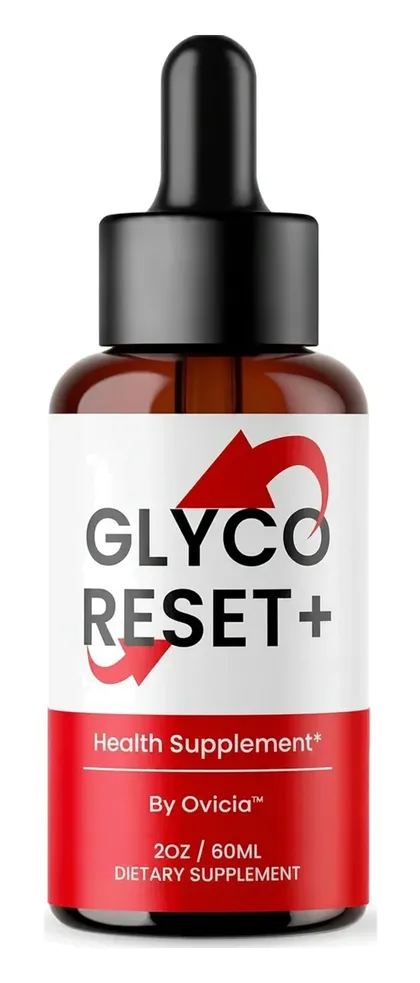
That pitch is a different product from the apple cider vinegar drops this site covers. The Glyco Reset bottle prints “By Ovicia” and names no doctor.
Uses a famous doctor’s name. A fact-checker found no verified endorsement.
Names Ovicia as the brand and no doctor at all.
Included a named doctor we could not verify, so this site never uses it.
How can you tell if a doctor endorsement is fake?
Ask whether you can check it yourself. A real endorsement names the doctor in full and shows up on that doctor’s own website or verified accounts.
A fake one leans on a face, a title and urgency, with nothing you can trace.
Run this check on any doctor-backed ad: 0 of 6 checked
How do you check a doctor endorsement, step by step?
Start with the name and end with the bottle. Five steps take a few minutes and need only a search engine.
- 1
Write down the full name
Note the name, the title and any clinic or school the ad mentions.
- 2
Look up the license
Search the state medical board where the doctor claims to practice.
- 3
Check their own channels
Visit the doctor’s own website or verified accounts. A real endorsement should appear there.
- 4
Search for a fact-check
Search the doctor’s name with the product name and words like fake or scam.
- 5
Match the product
Compare the formula in the ad with the ingredient list on the bottle.
What does the FTC say about doctor endorsements and health claims?
The FTC says health claims need competent and reliable scientific evidence. It also says a study only supports a product when the dose and form match what was tested (FTC, 2022).
A white coat cannot fill that gap. If the evidence is missing, a famous face does not make the claim true.
Fake praise is now illegal too. Since October 21, 2024, U.S. law bans fake or bought reviews, hidden insider reviews and fake review sites run by a seller (FTC, 2024).
| Ad tactic | What it wants you to think | What to check instead |
|---|---|---|
| A doctor’s face with no full name | An expert approved this | A name you can find on a state medical board |
| “Harvard-trained” or “top surgeon” | The school vouches for it | The doctor’s own channels and a fact-check |
| “Doctor formulated” | A medical standard was met | The Supplement Facts panel and real amounts |
| “Lowers blood sugar” or “reverses diabetes” | It works like medicine | A support claim with the FDA disclaimer |
| Thousands of five-star reviews | Everyone loves it | Dated, mixed reviews tied to real orders |
Is “doctor formulated” a regulated term?
Not in any FDA or FTC source we checked. So the phrase tells you nothing unless the doctor is named and verified.
What the FDA does regulate is the claim itself. A claim like “supports healthy blood sugar” must carry a note that the FDA has not evaluated it (FDA, 2024). That is why the Glyco Reset claims, such as “Supports Healthy Glucose Utilization*”, carry an asterisk.
Badges borrow authority in the same way. The FDA does not issue certificates of registration and does not recognize ones sold by private firms (FDA, 2024). Supplements are not FDA approved before they are sold at all (FDA, 2022).
Why do blood sugar ads use “Harvard-trained” doctors and smiling models?
Because trust sells faster than evidence. A famous school, a white coat or a happy face gives you a shortcut, so you skip reading the label.
Lifestyle photos work the same way. They show a feeling, not a result.
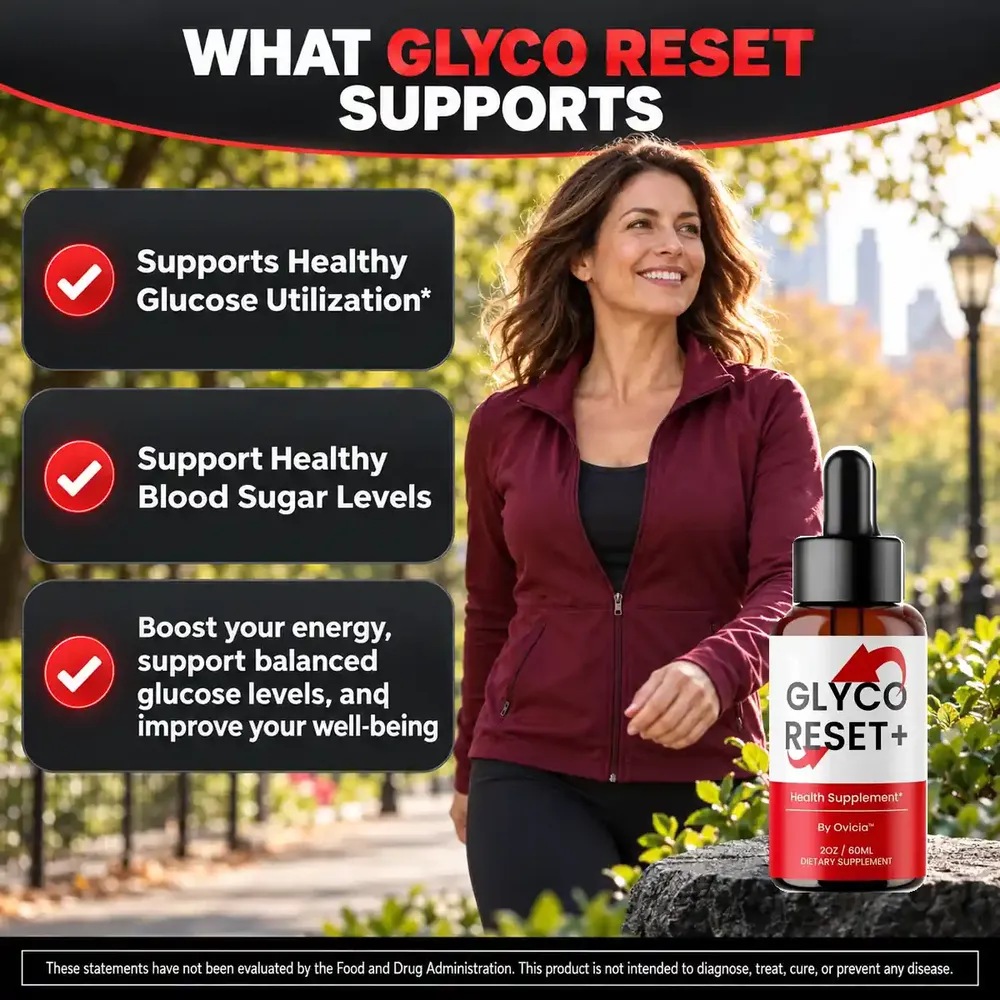
When an ad pairs a face with a health claim, split the two apart. Ask who the person is, and then ask what evidence backs the claim.
- A model poses for a photo; she does not vouch for results
- A title is not a license you have checked
- A quote with no full name cannot be traced
What did we find behind the Glyco Reset marketing?
A thin and mixed trail. As of October 13, 2026, a brand info site showed a near-perfect star rating from thousands of reviews, but no reviews were visible.
The same site ran countdown timers and a reference list about unrelated topics such as vitamin D, B12 and ALS. Its footer reads “GlycoReset Research 2025”, and we found no web presence for Ovicia.
Lookalike sites
Copies of the name run on lovable.app and vercel.app. We do not link to them.
Trustpilot
Profiles exist only for lookalike domains. One has 57 reviews, mostly 1-star, about refunds, double charges and ingredients that did not match the ads.
No regulator action
We found no FTC or FDA action, no BBB profile and no real Reddit thread.
No big marketplaces
We found no Amazon or Walmart listing for the name.
The Glyco Reset reviews page keeps every rating as a marked blank until a real, order-matched review fills it.
Can a real doctor endorse a blood sugar supplement?
Yes, but a real endorsement is still not proof. NCCIH says most supplements lack evidence of benefit for diabetes and should never replace treatment (NCCIH, 2018).
The FDA and FTC have warned companies whose supplements claimed to treat diabetes (FDA, 2021). A doctor’s name on such an ad does not make it legal or true.
How do you report a fake doctor ad?
Save the evidence first, then report it to the FTC. Ads can disappear quickly, so capture them while they are live.
Save the proof
Take screenshots, copy the web address and note the date and where you saw the ad.
Report it to the FTC
Use ReportFraud.ftc.gov for fake endorsements, fake reviews and hidden paid ads.
Report health problems
If a product made you ill, call your doctor and file a report with FDA MedWatch.
Ask for your money back
Call the seller with your order ID and follow the written return steps.
How should you judge Glyco Reset without a doctor’s name?
Judge it by the bottle and the written terms. Glyco Reset lists six ingredients led by apple cider vinegar, with no amounts published, and it is not a diabetes treatment.
Other formulas use the same name, so read our guide to which Glyco Reset formula you are looking at before you buy. For a wider checklist, see how to choose blood sugar drops.
The terms are simple to check. The guarantee runs 60 days from purchase, the buyer pays tracked return shipping, and the order desk is +1 (302) 200-3480. The Glyco Reset pricing page explains the 1, 3 and 6 bottle packs, and the checkout shows each total.
Fake doctor endorsements: common questions
Questions people type into Google and Bing, answered from the label and the sources on this page.
Did a famous doctor really endorse the Glyco Reset “biblical drink”?
No verified endorsement was found. A fact-checker cited by ScamAdviser in July 2026 found no proof that the doctor named in that olive-oil pitch backed it.
How can I tell if a doctor endorsement is fake?
Look for a full name you can check, a license, and the same endorsement on the doctor’s own channels. Cure claims, countdown timers and a face with no name are warning signs.
Is “doctor formulated” a regulated term?
None of the FDA or FTC sources we checked define it. Treat it as a marketing phrase unless the doctor is named and you can confirm who they are.
What does the FTC say about doctor endorsements in health ads?
The FTC says health claims need competent and reliable scientific evidence. A doctor’s face or title does not replace that evidence.
How do I report a fake doctor ad?
Save screenshots and the web address, then report it to the FTC at ReportFraud.ftc.gov. If you had a bad reaction to a product, tell your doctor and FDA MedWatch.
Why do supplement ads use “Harvard-trained” doctors?
A famous school borrows trust fast. It says nothing about whether the doctor agreed to the ad or whether the product works.
Can a real doctor endorse a supplement?
Yes, a real doctor can be paid to promote one. The product still needs evidence, and the endorsement should show on the doctor’s own verified channels.
What is the FTC fake reviews rule?
Since October 21, 2024, U.S. law bans fake or bought reviews, hidden insider reviews and fake independent review sites run by a seller.
How do I look up a doctor’s license?
Search the doctor’s full name on the medical board website for the state where they say they practice. No match is a reason to doubt the ad.